
Loading...
Serving Hemet, CA and surrounding areas. (951) 467-1314
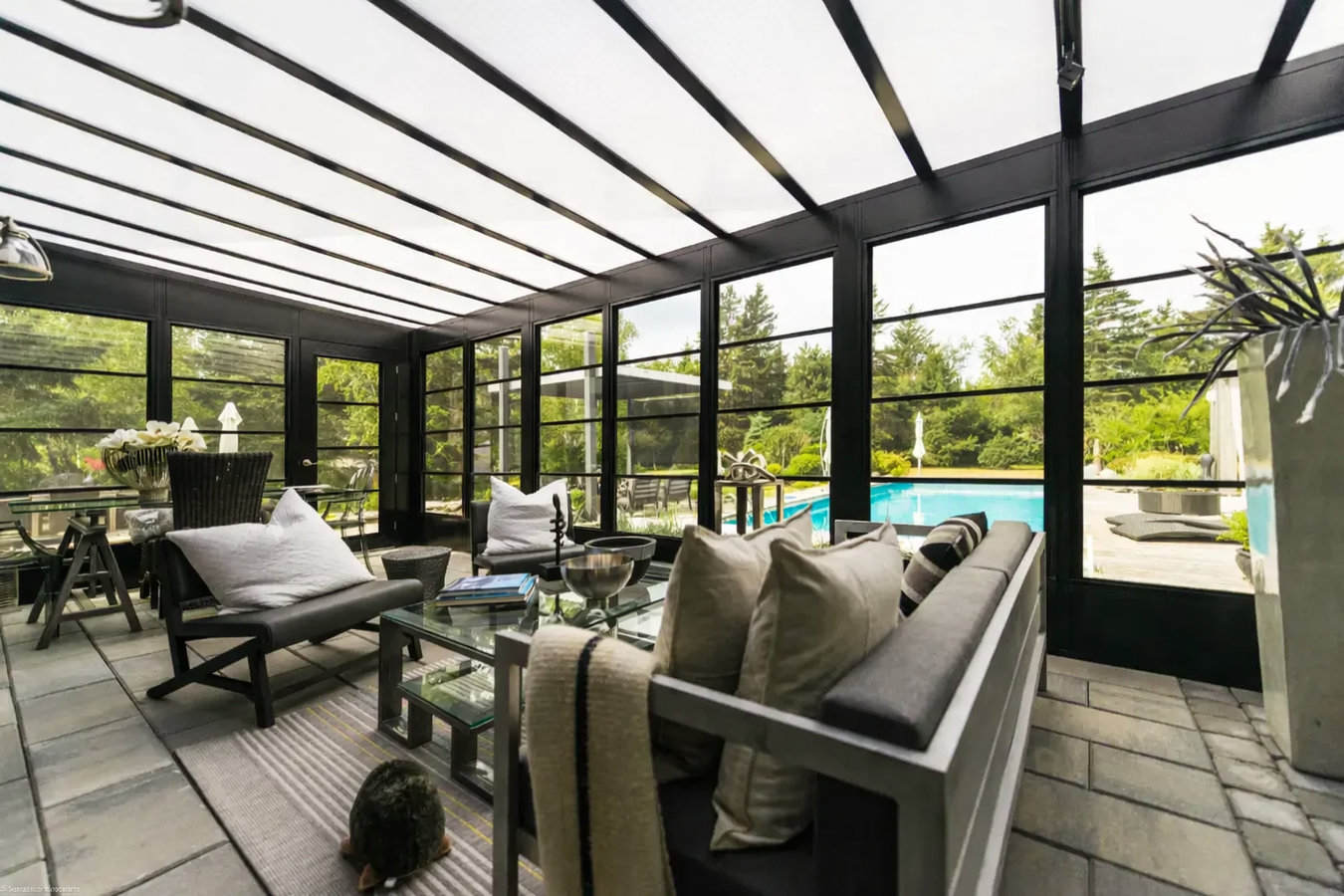
Hemet's intense summers and dry, dusty conditions make vinyl framing a natural fit - it holds up without painting, sealing, or rusting. We build every room to stay comfortable when temperatures top 100 degrees and anchor every addition to California's seismic standards.
A vinyl sunroom in Hemet, CA is a fully enclosed addition built with vinyl frames, insulated glass panels, and a proper roof - giving you a weatherproof, light-filled room attached to your home. Most installations take three to seven days of on-site work once permits are approved, with the planning, permitting, and fabrication phases adding several weeks before the crew arrives.
The reason vinyl is popular in the Inland Empire is straightforward: it does not rust, rot, warp, or require painting the way aluminum and wood frames do after years of Hemet sun. A vinyl frame that is installed correctly and sealed properly will look the same in fifteen years as it did on day one. That matters here because the UV exposure in the San Jacinto Valley is intense enough to degrade exterior materials faster than in cooler, cloudier parts of the country. If you are still deciding on room type, our sunroom additions page covers the full range of enclosure styles available for Hemet homes.
Every vinyl sunroom we install is permitted through the City of Hemet Building and Safety Division and anchored to meet California's seismic requirements. The permit documentation is yours when the project closes - keep it somewhere safe for when you sell your home.
If you walk past your patio door from June through September and never actually go outside, you are losing usable space in your own home. A vinyl sunroom with the right glass and cooling connection turns that unused slab into a room you can actually sit in - even when it is over 105 degrees outside. Many Hemet homeowners find they use their sunroom more than any other room once it is built.
If the aluminum or wood frame on your current patio cover is rusting, warping, or pulling away from the house, it may be time to replace it with something more permanent. A vinyl sunroom gives you a fully enclosed, weatherproof space instead of a cover that still leaves you exposed to wind, dust, and insects. Hemet's dry, dusty conditions accelerate the wear on older patio structures - pulling away at connection points is a structural concern, not just a cosmetic one.
If your family has outgrown the current layout but a full room addition feels like too much disruption and expense, a vinyl sunroom is often a faster and less invasive way to add square footage. It does not require the interior demolition or structural work that a traditional addition does. For many Hemet families, it is the right middle ground between doing nothing and a major renovation.
A cracked or sunken slab is a sign that the ground beneath it has shifted - something that happens in Hemet's clay-heavy soils as they expand and contract with seasonal moisture. If you are planning a sunroom, this is the time to address the slab, because a room built on a failing foundation will develop problems quickly. A good contractor will assess the slab condition during the site visit before quoting the project.
We build vinyl sunrooms in Hemet for both three-season and four-season use, and we walk through the real difference between those options during the estimate. A three-season room works well in spring, fall, and mild winter weather but is not insulated to stay comfortable during Hemet's peak summer heat without supplemental cooling. A four-season room is fully insulated and connected to your home's HVAC - the right choice for a room you plan to use on the hottest and coldest days of the year. Both options use vinyl framing for the same reason: it holds up to the Inland Empire's UV intensity without the maintenance demands of wood or the corrosion issues of older aluminum. For homeowners who want a lighter-footprint option that still provides enclosure from wind and insects, three season sunrooms are a related alternative worth considering.
We handle the full City of Hemet Building and Safety Division permit process - plan submission, inspection coordination, and final sign-off - and help you prepare HOA documentation if your neighborhood requires it. Every installation is anchored to California's seismic standards, and we assess your existing concrete slab before quoting so there are no foundation surprises once work begins.
Best for homeowners who want enclosed outdoor-feeling space in the milder months - designed for comfort in spring, fall, and mild winter days without the cost of full climate control.
Best for homeowners who want a room they can use every day of the year - fully insulated, connected to your home's HVAC, and built to stay comfortable when Hemet temperatures top 100 degrees.
Best for homes with a sound concrete patio that can serve as the foundation - reduces overall project cost when the slab is in good condition and properly evaluated before framing begins.
Best for homes where no suitable slab exists or the existing concrete needs to be replaced - includes full slab assessment, preparation, and a foundation designed for Hemet's expansive clay soils.
Two local factors drive most of the decisions on a Hemet vinyl sunroom project. The first is heat. The San Jacinto Valley regularly sees summer temperatures above 105 degrees, and a basic three-season vinyl sunroom without high-performance glass will become unusable for months at a time in those conditions. The glass choice - specifically a low-emissivity coating with a low solar heat gain coefficient - is the single most important specification in the whole project. The Lawrence Berkeley National Laboratory Window Technologies program is a useful resource for understanding how glass coatings interact with solar heat, and any contractor who cannot explain solar heat gain coefficient in plain terms is not the right fit for a Hemet project. Homeowners in Perris face similar conditions, and the same glass specifications apply there.
The second factor is soil. Hemet's clay-heavy ground expands when it absorbs moisture and shrinks when it dries out - and that movement cracks concrete slabs that were not designed for it. Many Hemet homes have older concrete patios that are perfectly serviceable as a sunroom foundation, but they need to be assessed honestly before anyone starts framing. Homeowners near Lake Elsinore and throughout the Inland Empire deal with the same soil conditions. We look at every slab during the site visit and tell you what it can support - that conversation should happen before any contract is signed, not after the frame is set.
You tell us the size of the space, how you plan to use the room, and whether you have an existing concrete patio. We ask a few basic questions and give you a realistic sense of scope and cost range. We reply within one business day. No pressure - this is just about figuring out fit.
We come to your home, measure the space, assess sun exposure, and look at your existing patio or foundation. In Hemet, we specifically discuss glass choices for managing summer heat gain. You will leave with a clearer picture of what is possible and a written proposal covering scope, materials, and cost.
Once you approve the design and sign a contract, we submit the permit application to the City of Hemet Building and Safety Division. The permit review typically takes two to four weeks. We handle the paperwork - you do not need to visit the permit office. This window is a good time to confirm final material choices so there are no delays once the permit is approved.
The actual build usually takes three to seven days. We anchor the frame to your home, install the wall and roof panels, set the glass, and seal all the joints. A city inspector verifies the work at required stages. When the inspector signs off, we walk you through the finished room, show you how to operate windows and vents, and hand over all warranty and permit documentation.
We assess your existing slab, handle the City of Hemet permit, and help with HOA documentation - all included in the project.
(951) 467-1314We specify low-emissivity glass with appropriate solar heat gain ratings for every Hemet project. That single specification is what separates a room you use in July from one you avoid until October. A contractor who cannot explain their glass choice in plain terms is not building for this climate.
Hemet sits near the San Jacinto Fault, and California requires additions to be anchored to the existing structure in a way that accounts for earthquake movement. We meet that standard on every project - not because it is optional, but because a room that pulls away from your house in a significant shake is a problem, not just a cosmaly issue.
Hemet's clay soils cause older concrete patios to crack and shift over time. We assess every slab during the site visit and tell you honestly whether it can be used, needs repair, or needs replacement. That conversation happens before the contract is signed - not after you discover a problem mid-project.
We manage the full City of Hemet Building and Safety Division permit process and can help prepare HOA architectural review submissions for neighborhoods that require them. Your permit paperwork is delivered at project close. The California Contractors State License Board lets you verify any contractor's license status before you sign - something every Hemet homeowner should do.
These are not extras you have to ask for - they are part of every project we take on in Hemet. The result is a vinyl sunroom that holds up to the local climate, passes city inspection, and gives you a room you use rather than a room you regret.
If you want to explore a broader range of addition types before committing to vinyl framing, sunroom additions covers all the material and layout options available for Hemet homes.
Learn MoreFor homeowners who want enclosed outdoor-feeling space in the milder months without the cost of a fully conditioned room, three season sunrooms are a lighter-footprint alternative.
Learn MorePermit slots fill up - locking in your project now means you could be enjoying your new room before the next summer heat wave arrives.